
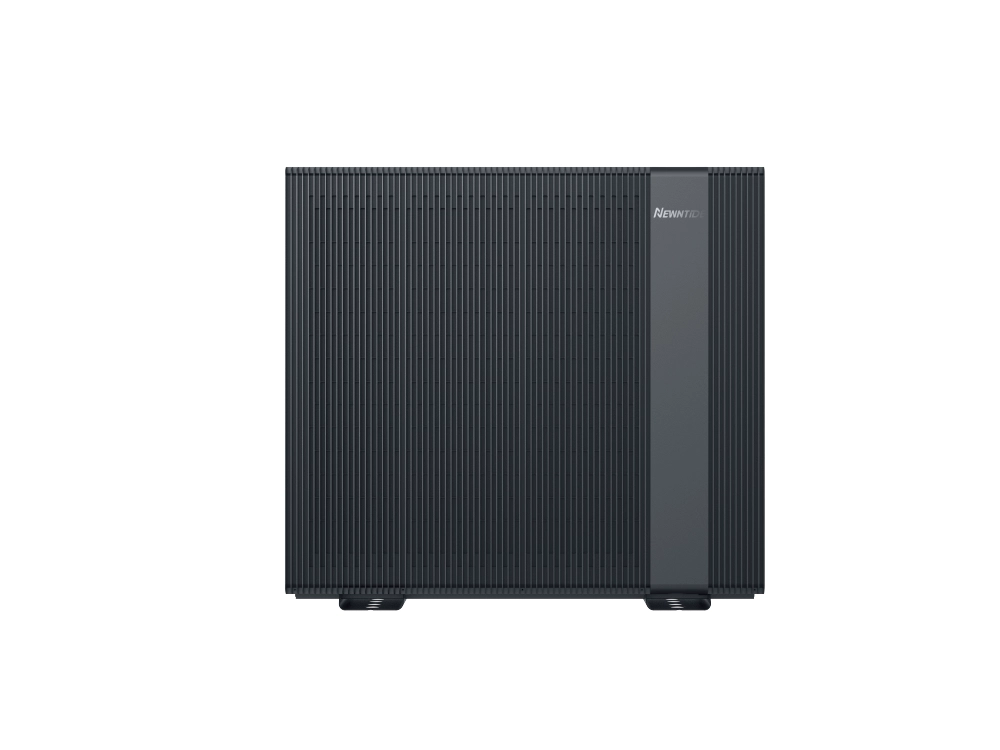

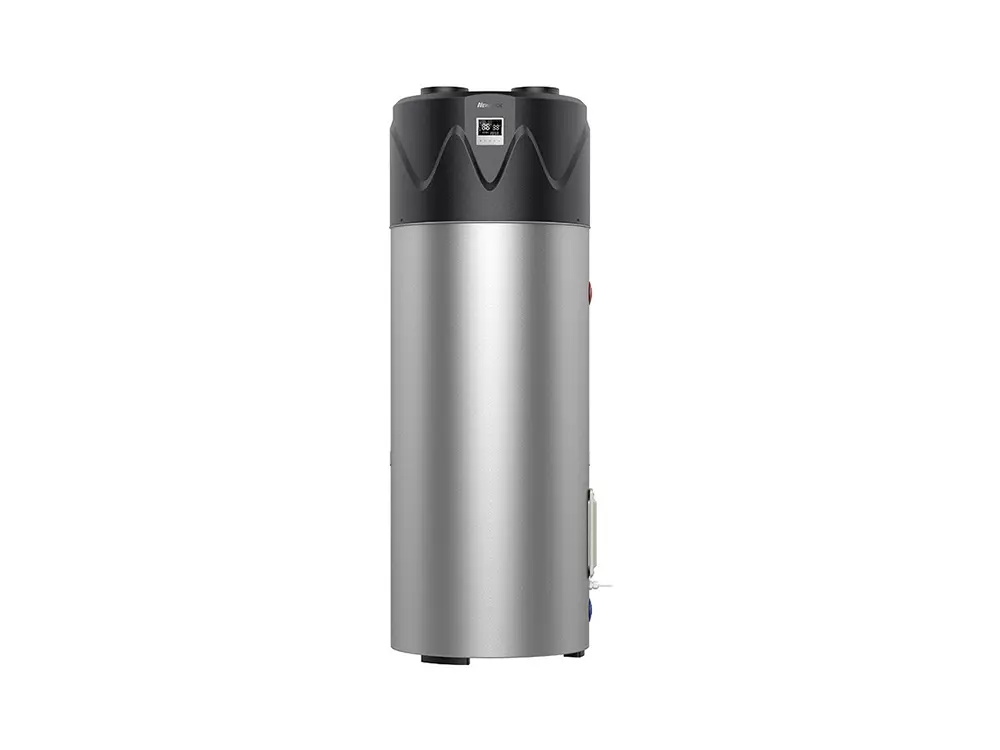
If you’re looking to replace an old hot water system or reduce your household energy bills, a heat pump water heater is an option well worth considering. Designed to be far more energy efficient than traditional electric water heaters, heat pump water heaters are becoming increasingly popular in Australian homes.
But what exactly is a heat pump water heater, how does it work, and is it the right choice for your household? Let’s take a closer look.

What Is a Heat Pump Water Heater?
A heat pump water heater is a type of hot water system that uses heat from the surrounding air to warm water, rather than generating heat directly using electricity. While it still runs on electricity, it operates much more efficiently than conventional electric resistance water heaters.
In fact, heat pump water heaters typically use 60–75% less electricity than standard electric hot water systems. Considering that hot water accounts for around 20–25% of household energy use, upgrading to a heat pump system can significantly reduce your energy bills over time.
How Does a Heat Pump Water Heater Work?
Heat pump water heaters work in a similar way to reverse-cycle air conditioners or refrigerators—but in reverse. Instead of removing heat from inside a space, they extract heat from the ambient air and transfer it to the water stored in the tank.
Here’s a simple step-by-step overview of how the process works:
1.A fan draws in warm air from the surrounding environment.
2.The air passes over an evaporator containing refrigerant, causing the refrigerant to absorb heat and turn into a gas.
3.A compressor pressurises the gas, increasing its temperature.
4.The heated refrigerant flows through a heat exchanger, transferring heat to the water in the storage tank.
5.The refrigerant then cools, turns back into a liquid, and returns to the evaporator to repeat the cycle.
Because the system moves heat instead of generating it directly, it delivers much higher efficiency compared to traditional electric water heaters.
Types of Heat Pump Water Heaters
There are two main types of heat pump water heater systems available:
1.Integrated (All-in-One) Systems
Integrated systems combine the heat pump unit and water storage tank into a single outdoor unit. These are commonly ground-mounted and are generally easier to install.
2.Split Systems
Split systems separate the heat pump unit from the storage tank. The heat pump is installed outdoors, while the tank can be placed indoors or outdoors. This setup is similar to a split-system air conditioner and can offer more flexible installation options.
Most residential systems are air-source heat pumps, but there are also ground-source (geothermal) heat pump systems that extract heat from the ground. These are less common due to higher installation costs.
Advantages of Heat Pump Water Heaters
Heat pump water heaters offer several key benefits:
1.High Energy Efficiency
They use electricity only to operate the fan and compressor, making them far more efficient than electric resistance water heaters.
2.Lower Running Costs
Reduced electricity consumption can translate to substantial savings on energy bills over the system’s lifespan.
3.Compatible With Solar Power
Heat pump water heaters can be paired with rooftop solar PV systems and timers to use excess solar energy during the day.
4.Reduced Environmental Impact
Using less electricity means lower greenhouse gas emissions, especially when powered by renewable energy.
5.Flexible Installation
Unlike solar hot water systems, heat pumps don’t require roof-mounted collectors and can operate effectively in shaded areas.
Disadvantages of Heat Pump Water Heaters
Despite their benefits, heat pump water heaters are not suitable for every home:
1.Higher Upfront Cost
The purchase and installation cost is higher than traditional systems.
2.Noise
The fan and compressor generate noise during operation, similar to an air conditioner, so placement is important.
3.Space and Ventilation Requirements
Heat pump systems need a well-ventilated area with sufficient airflow to operate efficiently.
4.Performance in Cold Climates
Heat pump water heaters work best in warm or moderate climates. In colder conditions, heating performance may slow, and some systems rely on electric boosting, increasing running costs.
Is a Heat Pump Water Heater Right for You?
A heat pump water heater can be an excellent choice if you live in a warm or temperate climate, want to reduce energy costs, and are looking for a more environmentally friendly hot water solution. When properly sized and installed, these systems offer long-term savings and reliable performance.
Before purchasing, it’s important to consider your household’s hot water usage, available installation space, climate, and eligibility for rebates. Consulting a qualified installer can help ensure you choose the right system for your needs.
NEWNTIDE’s expert team is ready to assist you in selecting the ideal heat pump tailored to your needs. Contact us today to schedule a consultation and discover how our innovative solutions can transform your space into a sanctuary of comfort and eco-friendly living.
Hot Spring Series (Australian Market) All-in-one Heat Pump Water Heater
 Swimming Pool Heat Pumps